
Infrastructure Installed to Last Decades
Powerline and Utility Trenches in Candia for properties requiring code-compliant underground utility installation
Underground utility work determines whether electrical service, water lines, and communication cables remain protected and functional through freeze-thaw cycles and soil movement. Grimard's Property & Excavation LLC handles powerline and utility trenches in Candia and nearby communities, bringing years of field experience to projects where depth precision and backfill compaction prevent future failures. Contractors working in New Hampshire face specific frost depth requirements that vary by soil type and drainage conditions, making proper trench preparation essential for long-term system integrity.
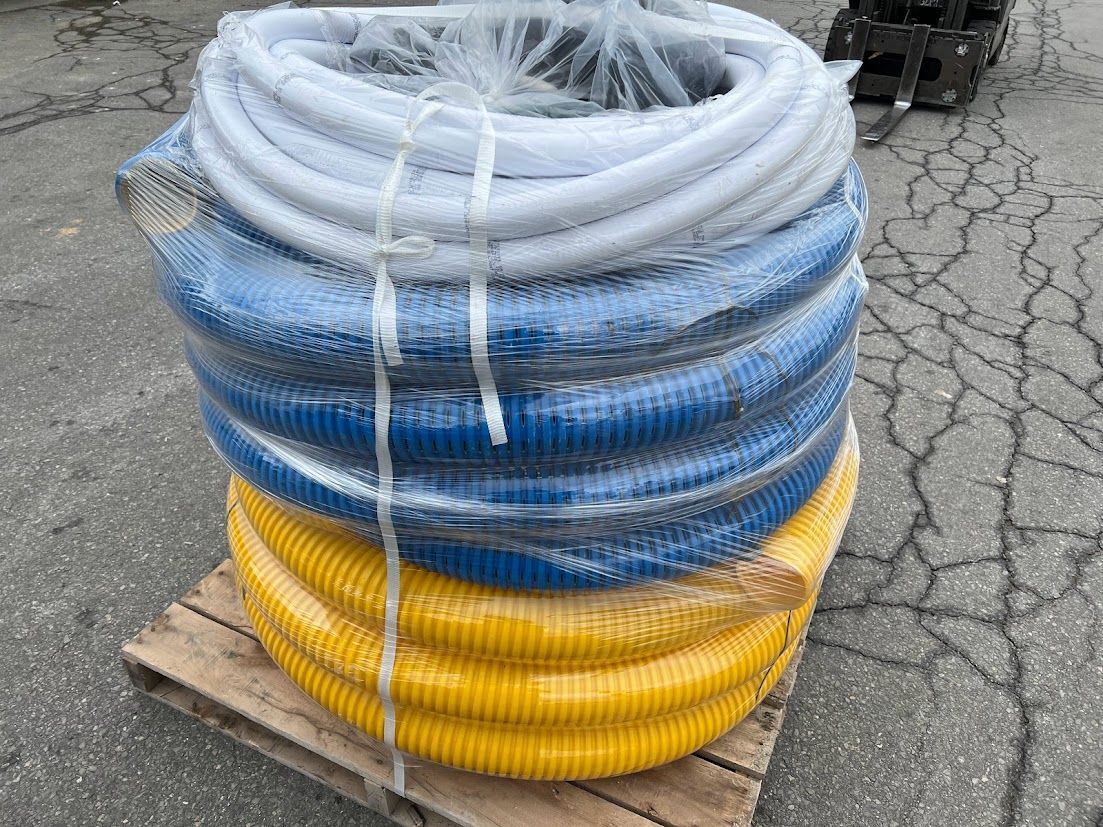
This service involves excavating trenches to code-specified depths, installing conduit or direct-burial cable according to utility provider standards, and backfilling with material that prevents settling while protecting the lines from mechanical damage. Work performed to code means adhering to National Electrical Code depth requirements, maintaining proper separation between different utility types, and documenting installation details that pass inspection on the first review.
Schedule a site assessment to determine trench routing and depth requirements for your utility installation.
Utility trenches require excavation deep enough to place lines below frost penetration zones while avoiding unnecessary depth that increases labor and material costs without added protection. Proper installation includes sloping trench walls in unstable soil, placing warning tape above buried lines, and using select backfill material rather than excavated soil containing rocks that could damage cable sheathing during settling.
Once trenches are backfilled and compacted in lifts, you notice ground that settles evenly without creating depressions over the utility path, landscape surfaces that remain stable when traversed by equipment, and electrical or water service that functions without interruption caused by line damage from shifting soil or frost heave. Quality trenching eliminates callbacks for sagging ground or exposed conduit that occurs when shortcuts are taken during backfill stages.
Additional considerations include coordinating with utility companies for meter placement, scheduling inspections before backfilling to verify installation compliance, and documenting trench locations with measurements from permanent structures so future excavation projects avoid accidental strikes. The service does not include utility connection work performed by licensed electricians or plumbers, but coordinates timing to keep projects moving efficiently.
What Property Owners Usually Ask
Questions about utility trenching often focus on regulatory compliance, installation durability, and site conditions that affect excavation approach.
What depth is required for underground electrical lines?
Depth varies by installation method, but direct-burial cable typically requires 24 inches under normal soil and 18 inches when protected by conduit, with greater depth needed where vehicle traffic crosses the trench path or local codes specify deeper frost protection.
How does rocky soil affect trenching work?
Rocky conditions require specialized excavation equipment or techniques to reach proper depth without damaging machinery, which may extend project timelines but ensures lines are placed correctly rather than taking shortcuts that leave utilities vulnerable.
What happens if existing utilities are discovered during excavation?
Work stops immediately while utility locating services verify line type and ownership, preventing damage that causes service interruptions and costly repair liability.
Why does backfill material matter more than using the original excavated soil?
Select backfill containing no rocks larger than two inches prevents puncture damage to cable sheathing and compacts uniformly to eliminate settling depressions that form when organic-rich topsoil or clay clumps are used as trench fill.
When should utility trenching be scheduled in Candia to avoid complications?
Ground conditions between late spring and early fall allow easier excavation and compaction compared to frozen or saturated soil periods, though experienced contractors adjust techniques to handle projects during less ideal weather when utility connection timing requires it.
Grimard's Property & Excavation LLC brings field-tested experience to utility trench projects where code compliance and installation quality determine whether systems function reliably for decades. Request a project consultation to review site-specific utility routing and excavation requirements.